
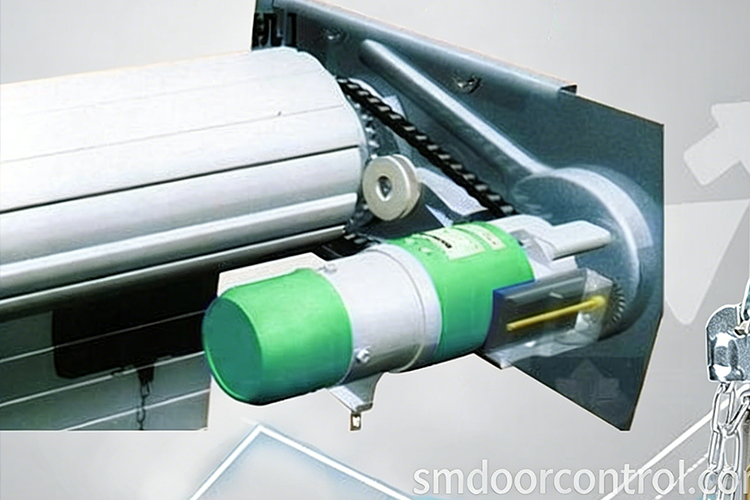
Electric Gate Controllers: The Ultimate Guide for Home & Business Security
Electric Gate Controllers: The Ultimate Guide for Home & Business Security
If you have an electric gate—whether for your home driveway, commercial property, or industrial facility—you already know it’s a cornerstone of security and convenience. But what powers the smooth opening and closing of your gate, ensures it responds to your remote, and keeps it safe from unauthorized access? That’s the electric gate controller: the “brain” behind your electric gate system. While it’s easy to overlook this essential component, choosing the right controller, understanding how it works, and maintaining it properly can make all the difference in your gate’s performance, longevity, and security. In this guide, we’ll break down everything you need to know about electric gate controllers, from their core functions to选型 (selection), troubleshooting, and maintenance, so you can keep your gate running safely and seamlessly.
What Is an Electric Gate Controller, and Why Is It Essential?
An electric gate controller is the central control unit that manages the operation of your electric gate. It acts as a bridge between your gate’s motor, control devices (like remotes, keypads, or smart apps), and safety features, ensuring all components work together in harmony. Think of it as the “command center”: when you press a button on your remote or enter a code on a keypad, the controller receives the signal, processes it, and sends instructions to the gate motor to open or close. Beyond basic operation, a high-quality electric gate controller offers critical benefits that elevate your gate’s functionality and security:
Enhanced Security: Controllers prevent unauthorized access by verifying signals from authorized devices (remotes, keypads, access cards) and blocking invalid commands. Many modern controllers also integrate with security systems, cameras, and intercoms for added protection.
Convenience & Control: With a controller, you can operate your gate from a distance (via remote), set schedules (e.g., auto-close after a set time), or even control it remotely via a smartphone app—no more getting out of your car to open the gate manually.
Safety Protection: Top controllers include safety features like obstacle detection (to stop the gate if it hits a person, pet, or object) and auto-reverse, preventing accidents and damage to the gate or surrounding property.
System Stability: A reliable controller regulates power flow to the motor, preventing overloads and extending the lifespan of both the controller and the motor. It also provides feedback on system status, making it easy to spot issues early.
Types of Electric Gate Controllers: Which One Fits Your Gate?
Electric gate controllers come in various types, each designed to match different gate styles, motor types, and usage needs. The key is to choose a controller that’s compatible with your gate’s configuration and your specific requirements. Here are the most common types on the market:
1. Single Gate Controllers (Most Common)
As the name suggests, single gate controllers are designed for single-leaf gates—ideal for residential driveways, small commercial entrances, or pedestrian gates. They’re compact, easy to install, and cost-effective, making them the go-to choice for most homeowners and small business owners. These controllers work with both swing gates and sliding gates, and they typically support 1-4 remote controls, along with basic safety features like obstacle detection.
Key features: Simple wiring, compatible with 12V or 24V DC motors, supports basic control options (remote, wall switch), and often includes a manual override for power outages.
2. Dual Gate Controllers
Dual gate controllers are built for double-leaf gates (common in large driveways, commercial properties, or industrial facilities), where two gate leaves open and close simultaneously or sequentially. These controllers are more advanced than single gate models, as they synchronize the movement of both leaves to ensure smooth, coordinated operation. They also offer additional safety features to prevent the two leaves from colliding.
Key features: Synchronized control for two gate leaves, adjustable opening/closing speed for each leaf, support for multiple control devices, and compatibility with heavy-duty motors.
3. Solar-Powered Gate Controllers
For properties without access to electrical wiring (such as remote driveways, rural homes, or temporary entrances), solar-powered gate controllers are an excellent solution. These controllers are paired with solar panels and batteries, allowing them to operate off-grid. They’re eco-friendly, energy-efficient, and require minimal maintenance—perfect for areas where running electrical lines is impractical or costly.
Key features: Compatibility with solar panels and deep-cycle batteries, low power consumption, and built-in battery protection to prevent overcharging or depletion.
4. Smart Gate Controllers
Smart gate controllers are the most advanced option, integrating with smart home systems and offering remote control via smartphones, tablets, or voice assistants (e.g., Amazon Alexa, Google Assistant). They allow you to monitor your gate’s status in real time, receive alerts when the gate is opened or closed, and even grant temporary access to guests (e.g., delivery drivers) via a mobile app.
Key features: Wi-Fi/Bluetooth connectivity, mobile app control, real-time alerts, access logs, and integration with smart security systems (cameras, intercoms, motion sensors).
5. Industrial-Grade Gate Controllers
Industrial-grade controllers are designed for heavy-duty applications, such as large industrial gates, warehouse entrances, or high-traffic commercial gates. They’re built to withstand harsh weather conditions (extreme heat, cold, dust, rain) and frequent use, with a higher load capacity and more robust safety features than residential controllers.
Key features: High power handling (compatible with 220V AC motors), durable metal enclosures (IP65+ protection rating), advanced safety features (e.g., pressure sensors, emergency stop buttons), and support for multiple access control devices (keypads, card readers, biometrics).
How to Choose the Right Electric Gate Controller: Key Factors
Choosing the wrong electric gate controller can lead to frequent malfunctions, security risks, and costly repairs. To select the perfect controller for your needs, consider these critical factors:
1. Gate Type & Motor Compatibility
The first step is to ensure the controller is compatible with your gate type (swing, sliding, folding) and motor type (DC or AC). Most residential gates use 12V or 24V DC motors, while industrial gates often use 220V AC motors. Single-leaf gates require a single gate controller, while double-leaf gates need a dual controller—using the wrong type will result in poor performance or damage to the system.
2. Load Capacity & Power Requirements
The controller’s load capacity (measured in amps) must match the motor’s power requirements. If the controller can’t handle the motor’s current, it will overheat, trip, or fail prematurely. Check your motor’s specifications (amps, voltage) and choose a controller with a load capacity that’s 10-20% higher than the motor’s maximum current to account for peak loads.
3. Control Options
Consider how you want to operate your gate: - Basic Control: Remote control, wall switch, or keypad (ideal for residential use). - Advanced Control: Smart app control, voice commands, or access cards (great for commercial properties or homeowners who want added convenience). - Access Control: For high-security areas, choose a controller that supports biometric scanners, card readers, or intercoms to restrict access to authorized personnel only.
4. Safety Features
Safety should be a top priority. Look for controllers with these essential safety features: - Obstacle Detection: Uses infrared sensors or pressure strips to stop the gate if it encounters an object or person. - Auto-Reverse: Reverses the gate’s direction if an obstacle is detected, preventing damage or injury. - Manual Override: Allows you to open/close the gate manually during power outages. - Emergency Stop Button: Instantly stops the gate in case of an emergency (critical for industrial or high-traffic areas).
5. Environment & Durability
If your gate is outdoors, choose a controller with a high protection rating (IP54 or higher) to shield it from dust, rain, and extreme temperatures. Industrial controllers often have IP65+ ratings, making them suitable for harsh environments. For coastal areas, look for controllers with corrosion-resistant enclosures to protect against saltwater damage.
Common Electric Gate Controller Issues & Troubleshooting Tips
Even the best controllers can experience issues over time. Here are the most common problems and how to fix them (or know when to call a professional):
1. Controller Doesn’t Respond to Remote/Keypad
This is the most common issue, and it’s often easy to fix. Check: - Remote batteries: Replace old or dead batteries and re-pair the remote with the controller (follow the manufacturer’s instructions). - Keypad connections: Ensure the keypad is properly wired to the controller and that the code is correct. - Signal interference: Nearby devices (e.g., Wi-Fi routers, cell towers) can interfere with the controller’s signal—try moving the remote closer to the gate or repositioning the controller’s antenna.
2. Gate Opens/Closes Intermittently
Intermittent operation usually indicates a loose connection or power issue. Check: - Wiring connections: Inspect the wires between the controller, motor, and power source for loose or damaged connections—tighten or replace any faulty wires. - Power supply: Ensure the controller is receiving a steady power supply (check the circuit breaker, fuse, or battery if using a solar-powered system). - Obstacle sensors: Dirt or debris on the sensors can cause false triggers—clean the sensors with a soft cloth.
3. Gate Doesn’t Stop at the Set Limit
If your gate overshoots its open/closed position, the limit switches need calibration. Most controllers have adjustable limit screws—loosen the locking nut, adjust the screw to the desired position, and tighten the nut again. If the problem persists, the limit switch may be faulty and need replacement.
4. Controller Overheats or Trips
Overheating is often caused by a mismatch between the controller and motor (e.g., the controller’s load capacity is too low). Check the motor’s power requirements and ensure the controller can handle the current. If the controller still overheats, it may be due to a short circuit in the wiring—call a professional to inspect the system.
 Send Email
 Lydia
Lydia 万家智能门控
 sumada
 13434797980
 sumada