
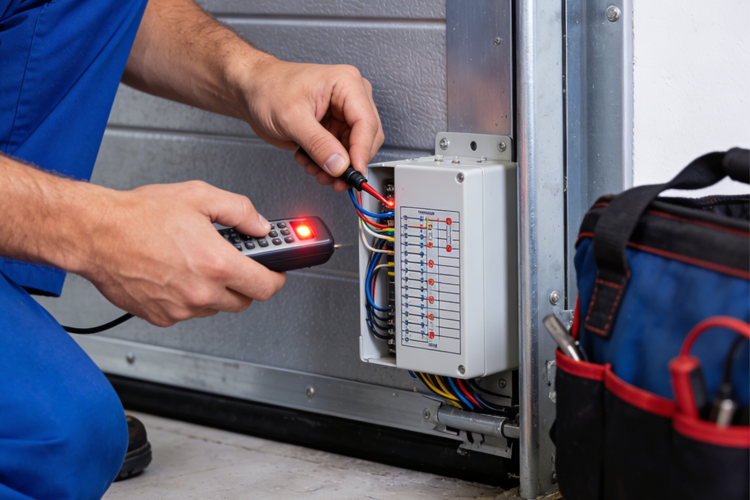
Roller Shutter Motors: A Complete Guide for Home & Business Owners
If you own a home, shop, warehouse, or any property with roller shutters, you know how crucial a reliable roller shutter motor is. It’s the unsung hero that ensures your space is secure, convenient, and energy-efficient—working quietly behind the scenes to open and close your shutters smoothly, every time. But with so many types, sizes, and features available, choosing the right motor, troubleshooting issues, and maintaining it properly can feel overwhelming. In this guide, we’ll break down everything you need to know about roller shutter motors, from选型 (selection) to maintenance, so you can make informed decisions and keep your shutters running seamlessly.
Understanding Roller Shutter Motors: What They Are & Why They Matter
A roller shutter motor is the core driving component that powers automatic roller shutters. Unlike manual shutters, which require physical effort to operate, motorized shutters rely on these compact yet powerful devices to lift and lower the shutter curtain with the push of a button, remote control, or even via a smart home app. Beyond convenience, a high-quality roller shutter motor offers several key benefits:
Enhanced Security: Quick and easy operation means you can secure your property in seconds, even when you’re away (thanks to smart integration). Motorized shutters also deter break-ins by eliminating manual access points.
Energy Efficiency: Modern motors are designed to be energy-saving, reducing electricity consumption while keeping your space insulated—lowering heating and cooling costs year-round.
Durability & Longevity: Well-built motors can withstand harsh weather conditions (from extreme heat to cold) and frequent use, minimizing the need for costly repairs or replacements.
Convenience: No more struggling with heavy manual shutters—operate your shutters from the comfort of your home, car, or even while traveling with smart controls.
Types of Roller Shutter Motors: Which One Is Right for You?
Not all roller shutter motors are the same. The best choice depends on your shutter size, weight, usage frequency, and specific needs. Here are the most common types available on the market today:
1. Tubular Motors (Most Popular)
Tubular motors are the go-to option for most residential and small commercial properties. As the name suggests, these motors are installed inside the shutter’s roller tube, making them compact, discreet, and space-saving. They’re available in two main variants:
AC Tubular Motors: Simple in structure, affordable, and easy to maintain. They’re ideal for lighter shutters (such as small shop fronts or home garages) and work well in scenarios where noise isn’t a major concern. Most AC motors operate on 220V (domestic) or 110V (overseas regions), though some models come with built-in transformers to support 100-240V for global compatibility.
DC Tubular Motors: Quieter, more energy-efficient, and offer smoother operation with soft start/stop functionality. They’re perfect for spaces that require minimal noise, such as bedrooms, hospitals, or hotels. DC motors typically run on 12V or 24V, making them safer, and many can be integrated with smart home systems like Google Assistant or Amazon Alexa.
2. External Motors
External motors are mounted outside the roller shutter’s tube, making them easy to access for maintenance and replacement. They’re more powerful than tubular motors, making them ideal for heavy-duty applications—such as large industrial warehouses, heavy steel shutters, or scenarios where a tubular motor won’t fit. While they’re durable and reliable, their exposed design means they’re more vulnerable to weather damage and require regular protection from the elements.
3. Gear Motors
Gear motors use a system of gears to generate more torque, making them perfect for lifting heavy shutters (like industrial steel doors or large commercial shutters) with ease. They’re known for their stability, low noise operation, and long lifespan, though they tend to be more expensive and require regular gear maintenance (such as lubrication) to keep them running smoothly.
4. Solar/Lithium Battery Motors
For properties without access to electrical wiring (such as temporary buildings, sunrooms, or outdoor awnings), solar or lithium battery-powered motors are an excellent choice. These motors are eco-friendly, energy-efficient, and require no wiring—solar models use sunlight to charge, while lithium battery models come with built-in batteries that can last for months on standby. They’re also compatible with smart controls, offering the same convenience as wired motors without the need for a power outlet.
How to Choose the Right Roller Shutter Motor: Key Factors to Consider
Choosing the wrong motor can lead to frequent breakdowns, high energy costs, or even damage to your roller shutters. Follow these steps to select the perfect motor for your needs:
1. Calculate Your Shutter’s Weight (Critical Step!)
The most important factor is matching the motor’s power to your shutter’s actual weight. This includes the weight of the shutter curtain (calculated by material density × area) plus the weight of accessories like the卷轴 (roller), connectors, and bottom配重 (usually 5-10% of the curtain weight). Don’t forget to add a 10-20% dynamic load redundancy to account for inertia and track friction during operation—this prevents the motor from overworking.
Common material weights (for reference):
Aluminum: 8-10 kg/㎡
PVC Soft Doors: 5-8 kg/㎡
Stainless Steel: 12-15 kg/㎡
Steel Plates: 15-20 kg/㎡
2. Match Power (Wattage) to Shutter Weight
Motor power (in watts) is directly related to the shutter’s weight. Here’s a quick reference guide to help you choose:
Shutter Weight ≤ 50kg (small PVC doors, narrow home shutters): 300-400W
Shutter Weight 50-100kg (regular shop aluminum doors, small garage doors): 400-500W
Shutter Weight 100-200kg (large stainless steel doors, light industrial shutters): 500-750W
Shutter Weight 200-500kg (heavy industrial steel doors, warehouse gates): 750-1500W (with mechanical减速装置)
Pro tip: Don’t oversize your motor! A larger motor than needed will waste energy (higher standby power consumption) and increase costs over time.
3. Consider Usage Frequency & Environment
Usage Frequency: If your shutters are opened/closed ≤10 times per day (home, small shops), an efficient AC motor (IE2/IE3等级) is sufficient. For frequent use (≥15 times per day, large commercial/industrial spaces), choose a DC brushless (BLDC) motor or energy-recovery motor—they’re more energy-efficient and durable.
Environment: For outdoor or harsh environments (dust, rain, extreme temperatures), choose a motor with a protection rating of ≥IP54 to prevent damage. Cold climates may require motors with anti-frost protection and high-temperature lubricants.
4. Smart Features & Control Options
Modern roller shutter motors offer a range of convenient control options: remote control (315MHz/433MHz are common), wall switches, timers, and smart home integration. If you want to control your shutters via your phone or voice assistant (e.g., Alexa, Google Home), look for motors with built-in smart modules. Some models also offer energy-recovery features, which convert the shutter’s gravitational potential energy into electricity when lowering—ideal for tall, heavy shutters.
Common Roller Shutter Motor Issues & How to Troubleshoot Them
Even the best motors can experience issues over time. Here are the most common problems and how to fix them (or know when to call a professional):
1. Motor Doesn’t Start
This is the most common issue, and it’s often related to power supply. Check: - The power cord, wiring connections, and circuit breaker (replace any damaged wires or blown fuses). - The remote control batteries (replace them and re-pair the remote with the motor if needed). - The motor’s thermal protection switch—if it’s tripped (from overheating), let the motor cool for 10+ minutes before trying again.
2. Unusual Noises (Grinding, Squeaking)
Strange noises usually indicate mechanical wear. Possible fixes: - Lubricate the gearbox with high-temperature lithium-based grease (滴点≥180℃) to reduce friction. - Check for worn bearings—if the motor shaft has more than 0.5mm of axial play, replace the bearings. - Clear any debris in the shutter track that’s causing extra friction.
3. Shutter Moves Slow or Hesitates
Slow movement often means the motor is overworking. Check: - The shutter weight—if it’s heavier than the motor’s capacity, you may need to upgrade to a more powerful motor. - The track for obstructions (dust, debris) and clean/lubricate it. - The motor’s efficiency—older motors may lose power over time and need replacement.
4. Motor Doesn’t Stop at the Set Limit
If your shutter doesn’t stop at the top or bottom, the limit switches need calibration. Loosen the locking nut on the limit螺杆, adjust it to the desired position, and tighten the nut again. If the problem persists, the limit switch may be faulty and need replacement.
Maintenance Tips to Extend Your Roller Shutter Motor’s Lifespan
With regular maintenance, your roller shutter motor can last 10+ years. Follow these simple tips:
Quarterly Maintenance: Clean the motor’s cooling vents (to prevent overheating) and lubricate the gearbox and roller bearings. Check the wiring for signs of wear or corrosion.
Annual Maintenance: Replace the gear oil (use ISO VG 150 viscosity oil) and inspect the motor’s internal components for wear. Calibrate the limit switches and test the remote control pairing.
Seasonal Checks: Before extreme weather (summer heat, winter cold), check the motor’s protection rating and ensure it’s properly sealed. For solar/battery motors, charge the battery fully before winter.
Avoid Overuse: Don’t operate the motor continuously for extended periods—give it time to cool down to prevent overheating and premature wear.
 Send Email
 Lydia
Lydia 万家智能门控
 sumada
 13434797980
 sumada